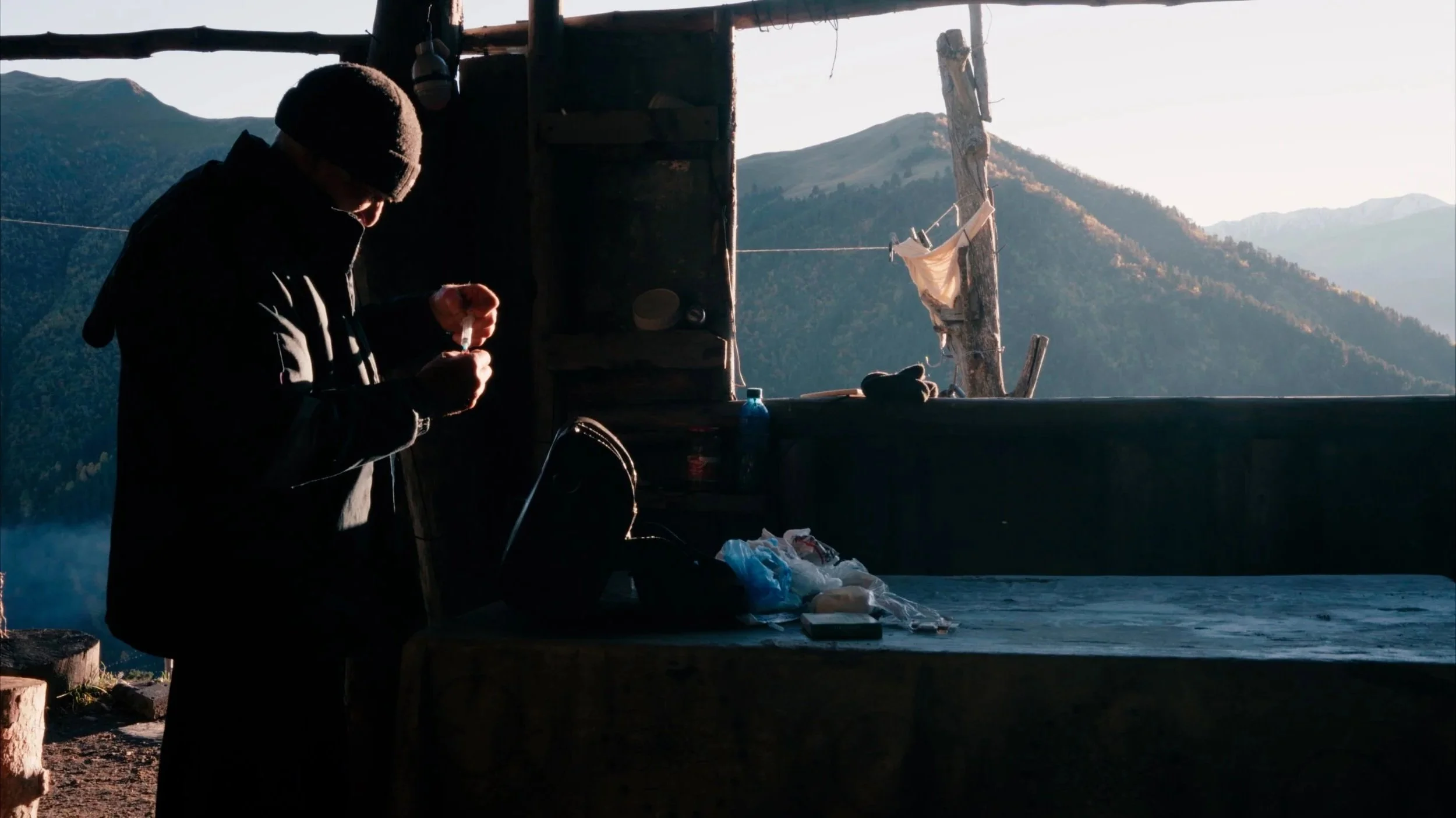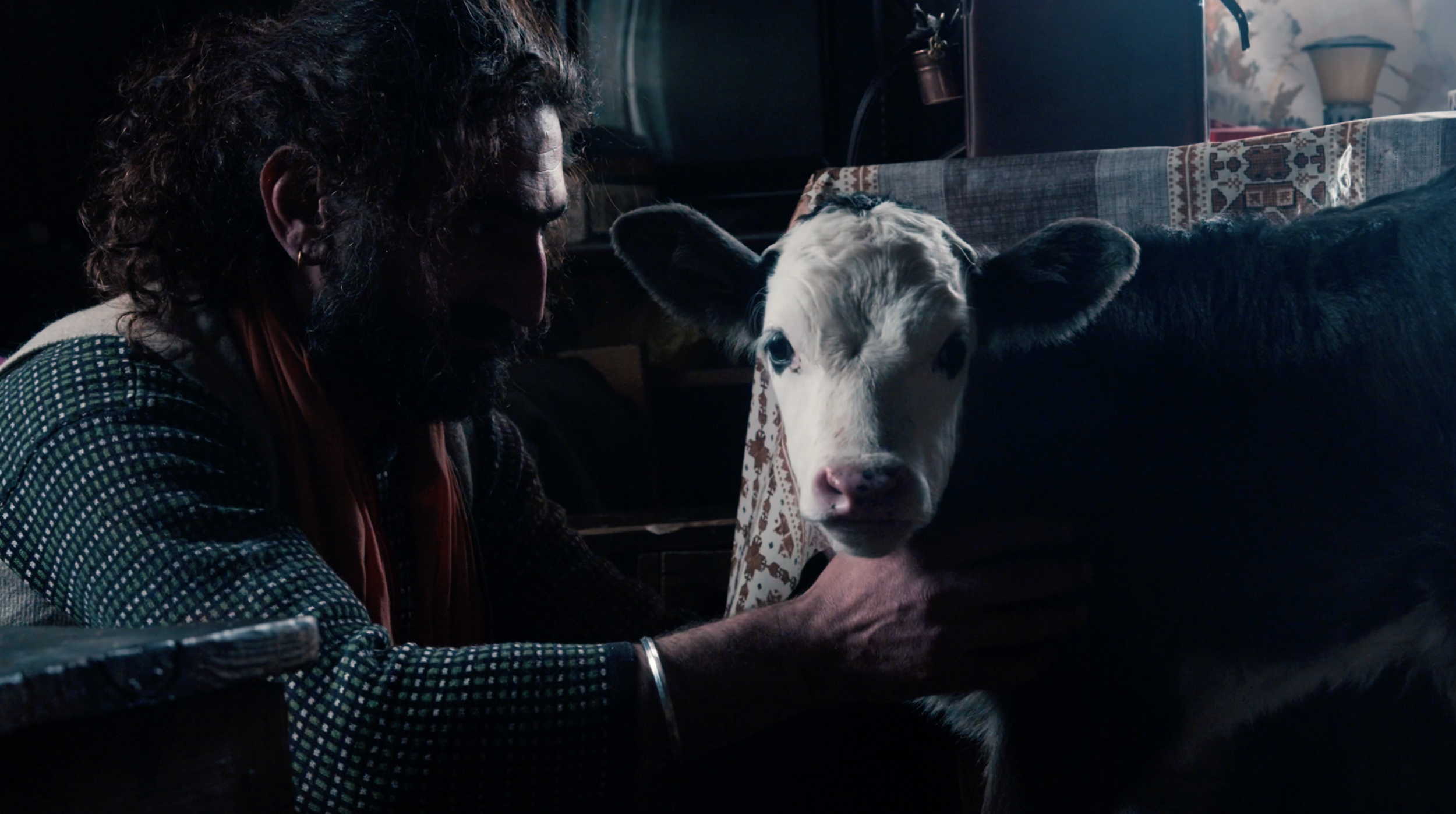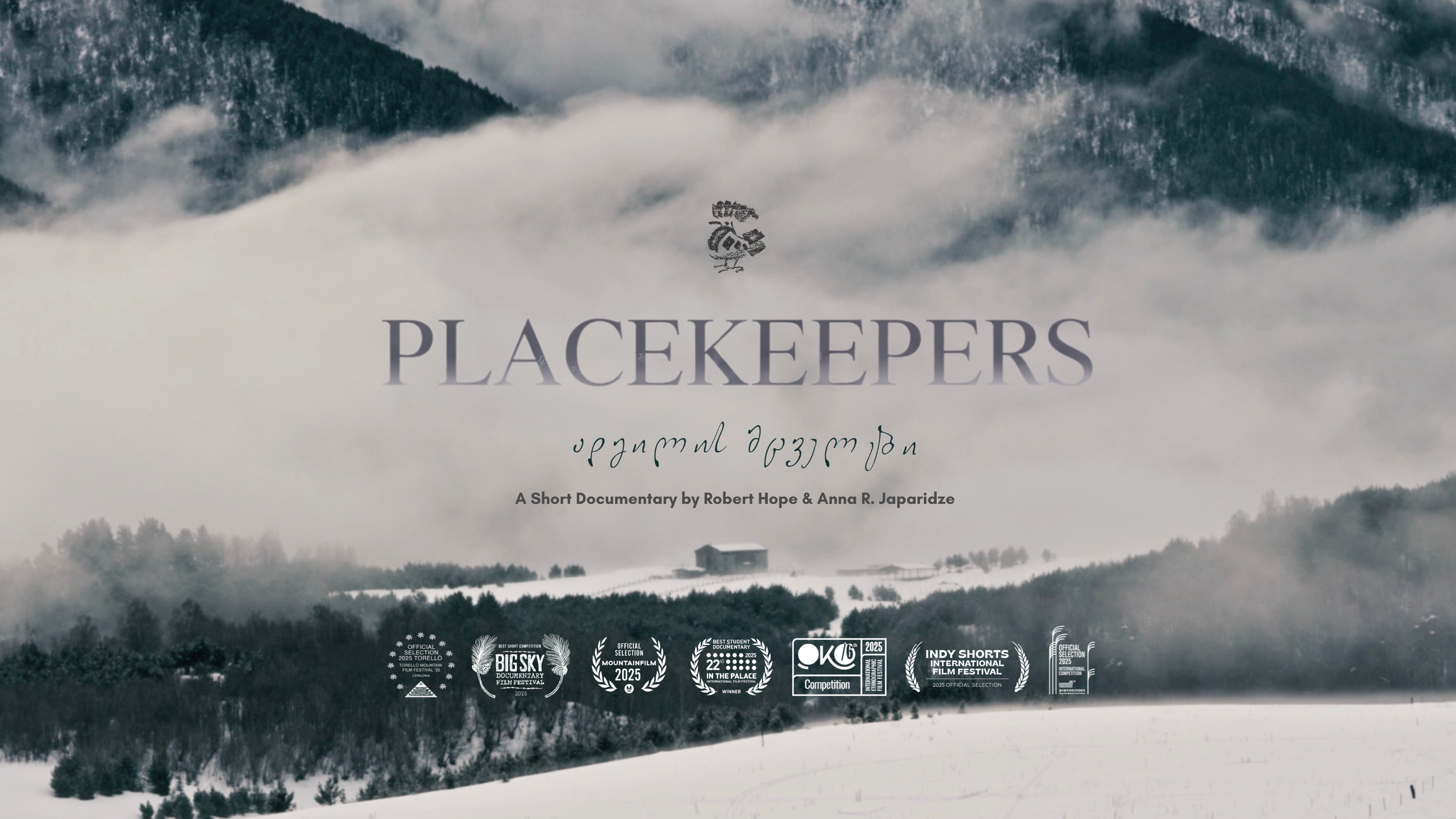
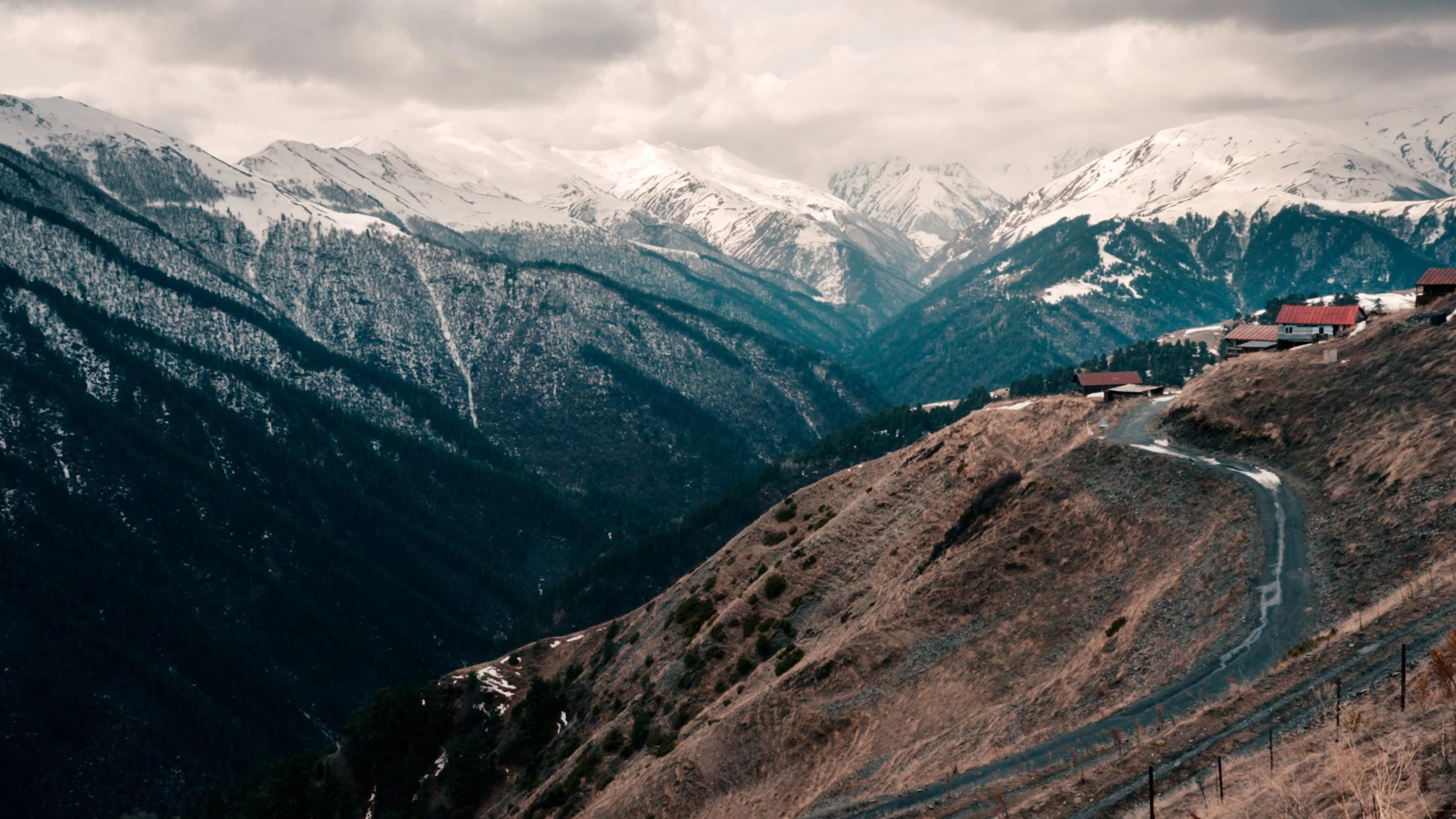
As the only road leading to the Caucasus mountain region of Tusheti, Georgia, closes for winter, a few holdouts remain.
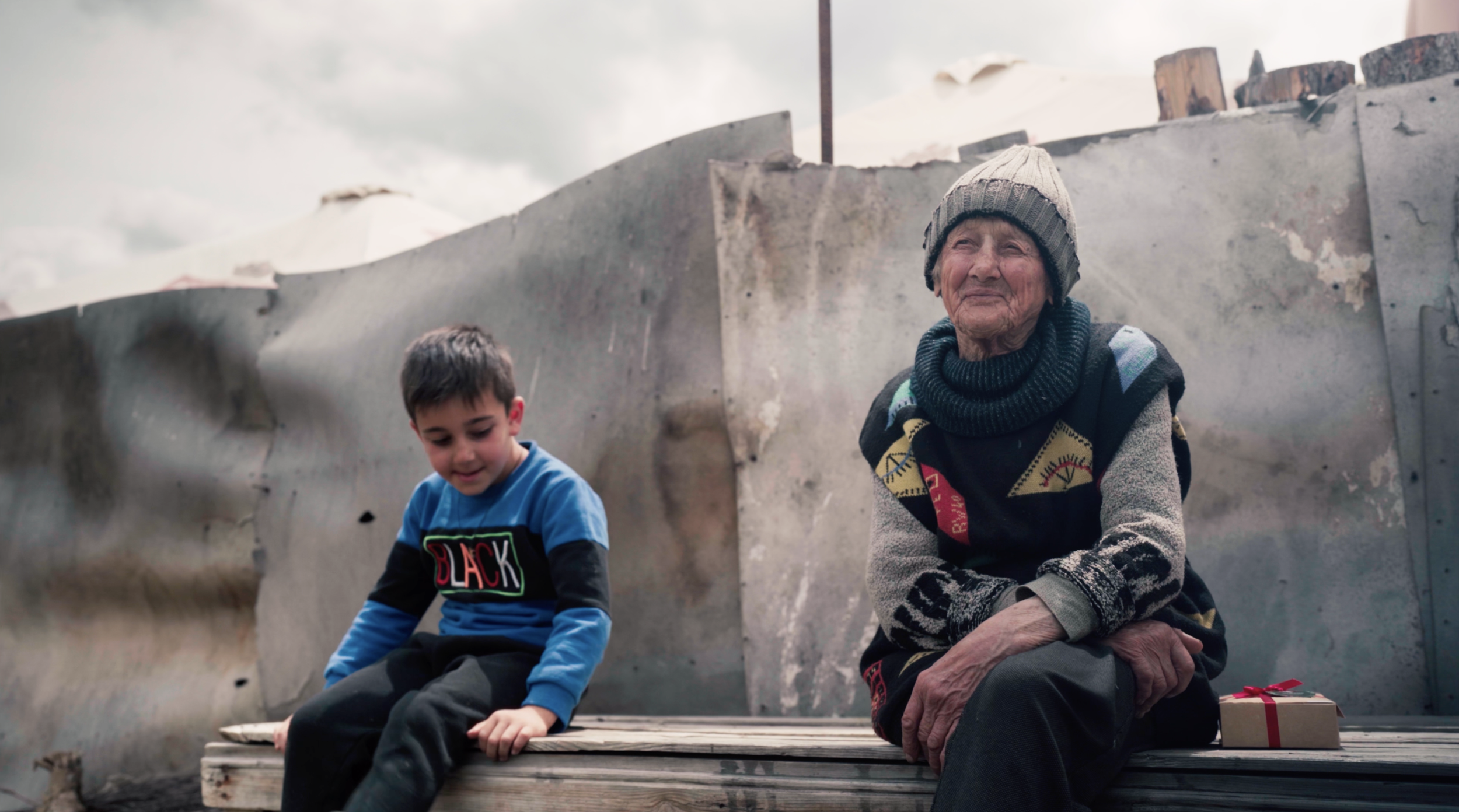
Experiencing time outside the flow of state regulation and consumer exchange, this smattering of people form a tight, interdependent group — navigating intergenerational friction, the remnants of the Soviet Union, and uncertainty over their community’s future.
Teaser

SCREENINGS
Big Sky Documentary Film Festival, Montana — Best Short Nominee
In the Palace Short Film Festival, Bulgaria — Best Student Film
Mountainfilm Festival, Colorado — Honorable Mention
Torello Mountain Festival, Spain
Trento Film Festival, Italy
Indy Shorts Film Festival, Indiana
OKO Interntional Ethnographic Film Festival, Ukraine
Kutaisi International Short Film Festival, Georgia — Best Director
Salem Film Festival
PRESS
Mountainfilm Grant Initiative Announces $60,000 in Funding — Mountainfilm Press Release. October 2023
Austin Film Society Announces Recipients for the 2022 AFS Short Film Grants — Austin Chroncle. January 2023
Director’s Statement
When I was eight, in the 1990s, my mother began hosting exchange students from across the former Soviet Union. Through them, I encountered a world largely inaccessible to me in the United States—one grappling with the collapse of a system that, for all its violence and constraints, had structured daily life. That early exposure led me to travel and study throughout the post-Soviet region, where I became fascinated by how Soviet legacies continue to shape not only infrastructure and economics, but memory and belonging.
In Tusheti, that legacy is deeply felt. Elders remember a time when Soviet support—schools, electricity, and winter provisions—made year-round life in the highlands possible. For many, its collapse marked not just political rupture, but the beginning of community unraveling, followed by isolation, out-migration, and the gradual erosion of ways of life sustained over centuries.
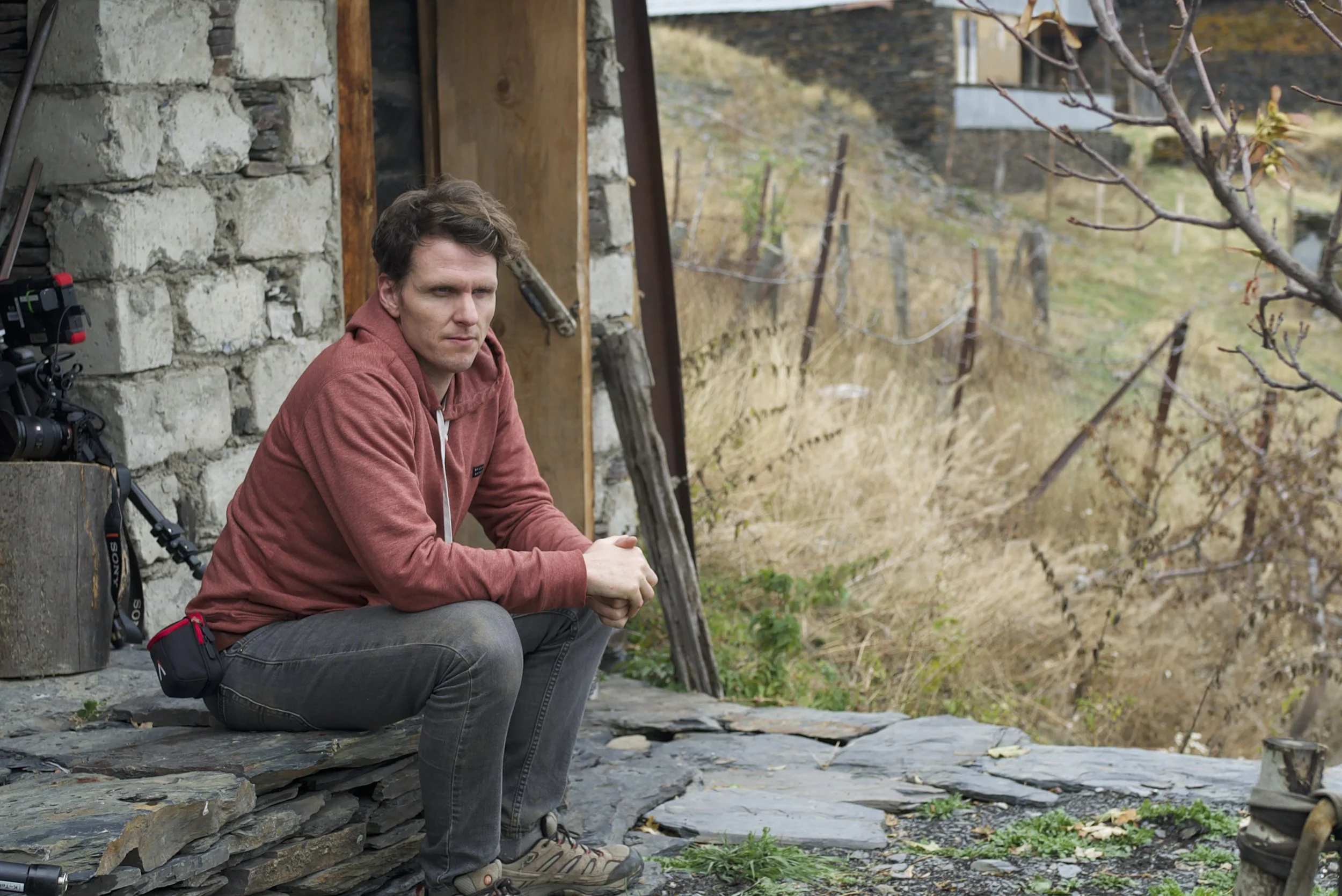
This film is an intimate collaboration between myself and my Georgian collaborator, Anna R. Japaridze. As documentarians, we are drawn to pockets of community and idiosyncrasy that remain vibrant in the present age of mass movement and capitalist globalization. These are not relics of a prior world or mirages from a ‘timeless’ past; they are of this time, reminding us that we can live in a multiplicity of ways and imagine futures grounded in alternative modes of life. Tusheti is one such place.
Yet, Tusheti is transforming. As village elders pass on, local youth migrate in pursuit of greater stability, placing centuries-old knowledge—passed down through oral tradition—at risk. While these changes unfold through the unique prism of Tusheti, they are globally relevant. Rural depopulation is occurring worldwide, and the increasing concentration of people in cities is leading many of us toward increasingly atomized lives—divorced from our heritage, estranged from our neighbors, and disconnected from the natural world.
-Robert Hope, director of Placekeepers